

Search is no longer just about keywords and blue links. In 2026, search has become conversational, predictive, multimodal, and deeply personalised. Readers don’t just “Google a term” anymore they ask questions, upload images, speak commands, and expect instant, context-aware answers.
Platforms like Google, OpenAI, Microsoft, and Meta have transformed search into an AI-powered discovery experience. The shift isn’t just technical, it’s behavioural. Search Trends 2026 want clarity, trust, speed, and authenticity.
If you create content, run a blog, manage a business website, or work in digital marketing, understanding how search has evolved in 2026 is no longer optional — it’s essential.
Search Is No Longer Just Search Trends 2026
Search used to be simple. A user typed keywords. A list of blue links appeared. The user clicked and explored.
In 2026, the experience looks different.
Platforms like Google, Microsoft, and OpenAI are integrating AI summaries, conversational responses, and predictive results directly into search interfaces.
Users now:
- Ask full questions instead of short phrases
- Use voice commands frequently
- Expect instant, summarized answers
- Rarely scroll beyond the first results
Search engines now understand context, not just keywords. That is where Modern SEO begins.
The Rise of User Intent Over Keywords
In earlier years, ranking meant targeting specific phrases repeatedly. Today, that strategy fails.
Search engines analyze User Intent — the reason behind a query.
There are four major types of intent in 2026:
Informational Intent
The user wants knowledge.
Example: “How does AI search work in 2026?”
Navigational Intent
The user wants to reach a specific website.
Transactional Intent
The user wants to buy or take action.
Commercial Investigation
The user wants to compare options before deciding.
Modern SEO focuses on answering intent clearly rather than stuffing variations of the same keyword.
If your content does not satisfy intent, rankings drop — even if your keyword placement is perfect.

What Readers Want in 2026
Search behavior data shows a clear pattern. Readers want:
Direct Answers First
Long introductions frustrate users. They want clarity immediately. If someone searches:
“What is Modern SEO in 2026?”
They expect a concise explanation within seconds — not a 500-word backstory.
Structured Content
Readers prefer:
- Clear headings
- Bullet points
- Short paragraphs
- Scannable formatting
Search engines also favor structured content because it feeds AI summaries and featured snippets.
Trust and Authenticity
With AI-generated content everywhere, readers look for human insight. They trust:
- Real examples
- Updated information
- Clear explanations
- Balanced opinions
This aligns with Google’s E-E-A-T principles — Experience, Expertise, Authoritativeness, and Trust.
AI Summaries and Zero-Click Searches
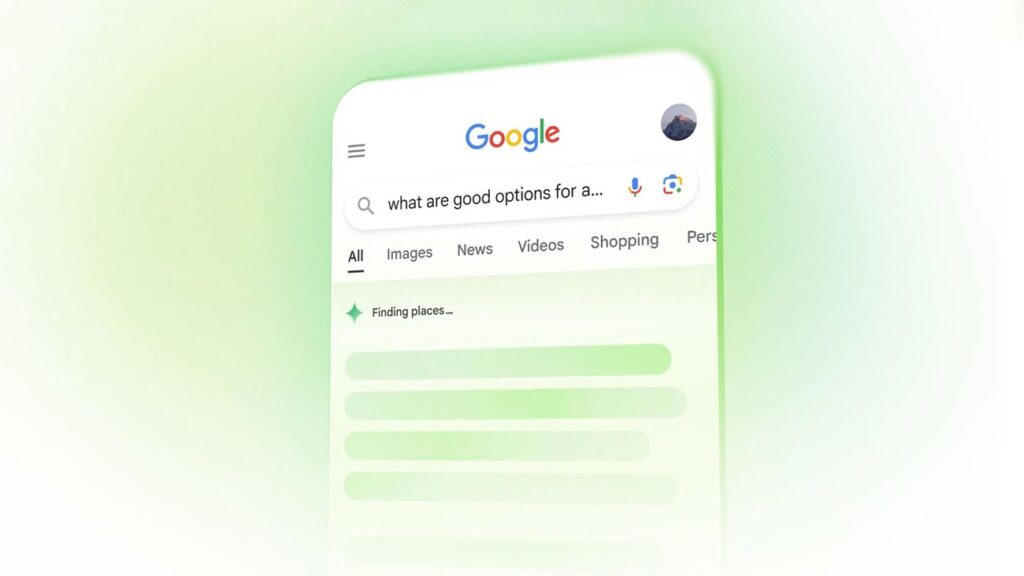
n 2026, many searches end without a click.
Why?
Because AI-generated summaries provide immediate answers at the top of the results page.
This creates a shift in strategy.
Instead of optimizing only for clicks, content creators must optimize for:
- Being cited in AI summaries
- Appearing in featured snippets
- Providing structured answers
If your article clearly answers questions in a concise and authoritative way, it increases your visibility — even if users don’t click immediately.
Voice and Conversational Search
Voice search continues to grow. Users now say:
- “What are the best SEO strategies for small businesses in 2026?”
- “Explain User Intent in simple terms.”
Voice queries are:
- Longer
- More natural
- Question-based
To adapt, content must use conversational language. Instead of robotic phrasing, write as if you’re answering a real person.
Modern SEO in 2026 is less about optimizing for machines and more about optimizing for conversations.
Personalization Is Changing Rankings
Search results are no longer identical for everyone.
Factors influencing results include:
- Location
- Device type
- Search history
- Preferences
- Behavioral patterns
This means ranking is dynamic.
Instead of chasing generic traffic, successful websites focus on:
- Niche authority
- Specific audience needs
- Local optimization
- Problem-focused content
Generic content loses visibility. Specific content wins.
Multi-Platform Search Is the New Reality
Search does not only happen on traditional search engines.
Users search on:
- YouTube
- Amazon
- AI chat interfaces
- Community forums
Modern SEO now includes:
- Video optimization
- Social discoverability
- Structured metadata
- Brand consistency
If your content only exists in one format, you limit your reach.
How to Adapt Your Strategy for 2026
If you want your content to rank in Google and remain relevant, here is a practical approach.
Understand User Intent Before Writing
Ask yourself:
- What problem is the reader trying to solve?
- What outcome do they expect?
- Do they need quick information or detailed guidance?
Provide Immediate Value
Start your article with:
- A clear definition
- A summary paragraph
- A direct solution
Use Structured Formatting
Include:
- Clear headings
- Short paragraphs
- Bullet points
- FAQ sections
Build Topical Authority
Instead of publishing random posts, create clusters:
- A pillar guide
- Supporting articles
- Related FAQs
- Case examples
Search engines reward websites that demonstrate deep expertise in one topic.
Focus on Human Writing
Avoid robotic tone. Write naturally. Add insights. Explain concepts clearly.
Modern SEO in 2026 rewards clarity and trust more than technical manipulation.
The Future of Search Beyond 2026
Search will continue evolving toward:
- Predictive responses
- Multimodal interaction (text + voice + images)
- Task completion within search
- Real-time personalization
But one thing will not change:
Users search because they want solutions.
If your content consistently solves problems better than competitors, rankings follow naturally.
Frequently Asked Questions (FAQ)
What is Modern SEO in 2026?
Modern SEO focuses on understanding User Intent, creating structured and trustworthy content, and optimizing for AI-driven search experiences rather than relying only on keywords.
Why is User Intent important for ranking?
Search engines now prioritize intent over keyword matching. If your content solves the user’s underlying problem clearly, it is more likely to rank higher.
Are keywords still relevant in 2026?
Yes, but they are secondary to context and intent. Keywords guide search engines, but content quality and clarity determine ranking.
How do AI summaries affect website traffic?
AI summaries may reduce clicks but increase brand visibility. If your content is cited in summaries, your authority grows.
Does long-form content still work?
Yes. Long-form content works when it is structured properly, answers questions clearly, and provides real value.
How can small websites compete in 2026?
By focusing on niche expertise, targeting specific User Intent, creating helpful content, and maintaining consistent quality.

1 Comment
Pingback: Mined Wisdom: How to Verify Digital Sources (Expert Guide) - minearticle.com